
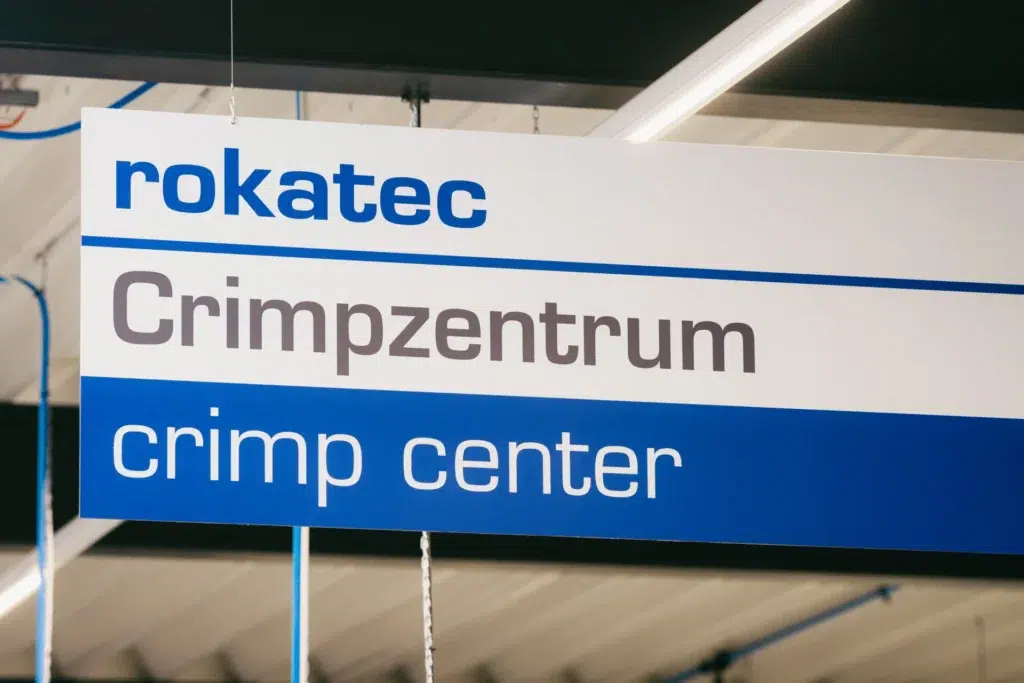
Why crimping technology is crucial
In professional wire harness production, the crimp connection is one of the most critical points in the entire system. It decides on:
- Electrical conductivity
- Mechanical strength
- Long-term reliability under vibration, humidity and temperature fluctuations
A high-quality wiring harness is therefore always the result of a suitable crimp contact, a suitable conductor and, above all, the right crimping tool.
What are crimping tools?
Crimping tools (also known as applicators or crimping dies) are precision-manufactured tools that connect electrical contacts to a cable with a positive fit.
The contact is formed around the conductor and the insulation in such a way that:
- no solder joint is necessary
- a gas-tight connection is created
- defined pull-out forces can be achieved
Machine-guided crimping tools are used almost exclusively in series production.
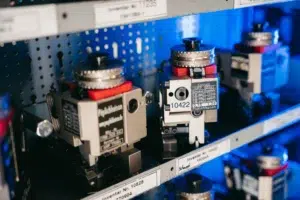
Quick-change tools – flexibility in series production
Modern production relies on quick-change crimping tools.
Advantages:
- Extremely short set-up times
- Reproducible crimp quality
- Quick changeover to new contact families
- Economical even for smaller batch sizes
This flexibility is a clear competitive advantage, especially for customized cable harnesses.
Different crimp geometries – depending on the application
Not every contact is the same. They differ depending on the manufacturer and area of application:
- B-Crimp / F-Crimp
- Open vs. closed crimps
- Crimps for fine conductors or solid conductors
- Combination crimp for conductor + insulation
A suitable tool is always contact and cross-section specific.
Crimping “similar contacts” with the same tool leads to quality problems in the long term – this is a common mistake made by inexperienced suppliers.
Quality assurance during crimping
Professional crimping technology means more than just having the right tools:
- Defined crimp heights
- Regular calibration of the tools
- Micrograph analyses
- Tensile force tests
- documented processes
This is the only way to permanently meet automotive, off-highway or industrial requirements.
Transition to customer benefit
For customers is crucial:
Which crimp contacts can the supplier alreadynt already process safely today – without development risk?
This is exactly where we come in.